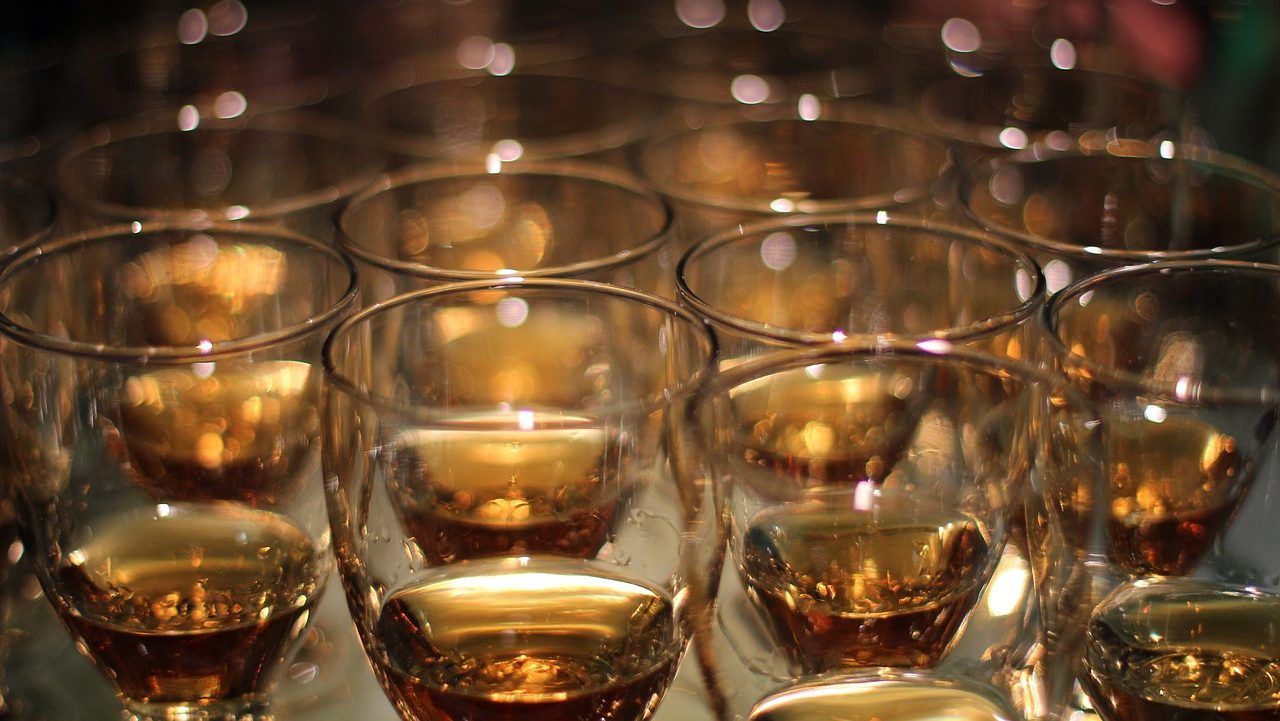
There are few topics that generate as much confusion and curiosity as the distinction between bourbon and whiskey. Are they interchangeable terms, or is there a nuanced difference that sets them apart? As we embark on this spirited journey, we’ll navigate through the intricate realms of ingredients, aging processes, and cultural significance to unravel the mystery behind bourbon and whiskey.
Understanding the Basics: Bourbon vs. Whiskey
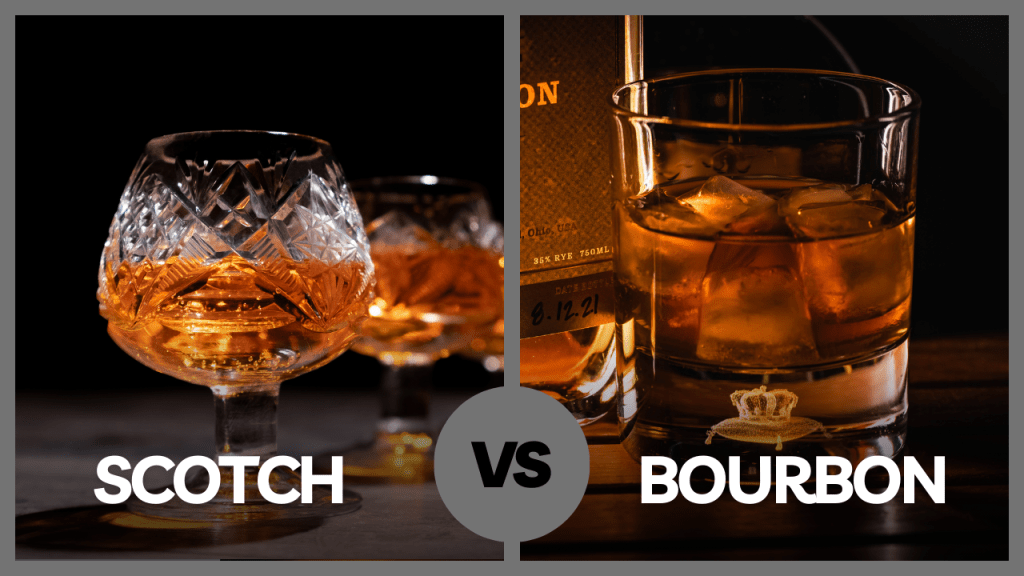
Bourbon and whiskey are intricately connected, yet each bears its own unique characteristics. So, are bourbon and whiskey the same thing? Essentially, all bourbons are whiskey, but not all whiskeys qualify as bourbon. Just like how a square is always a rectangle, but only a unique rectangle is a square. The devil is in the details.
Ingredients Matter: The Mash Bill Distinction
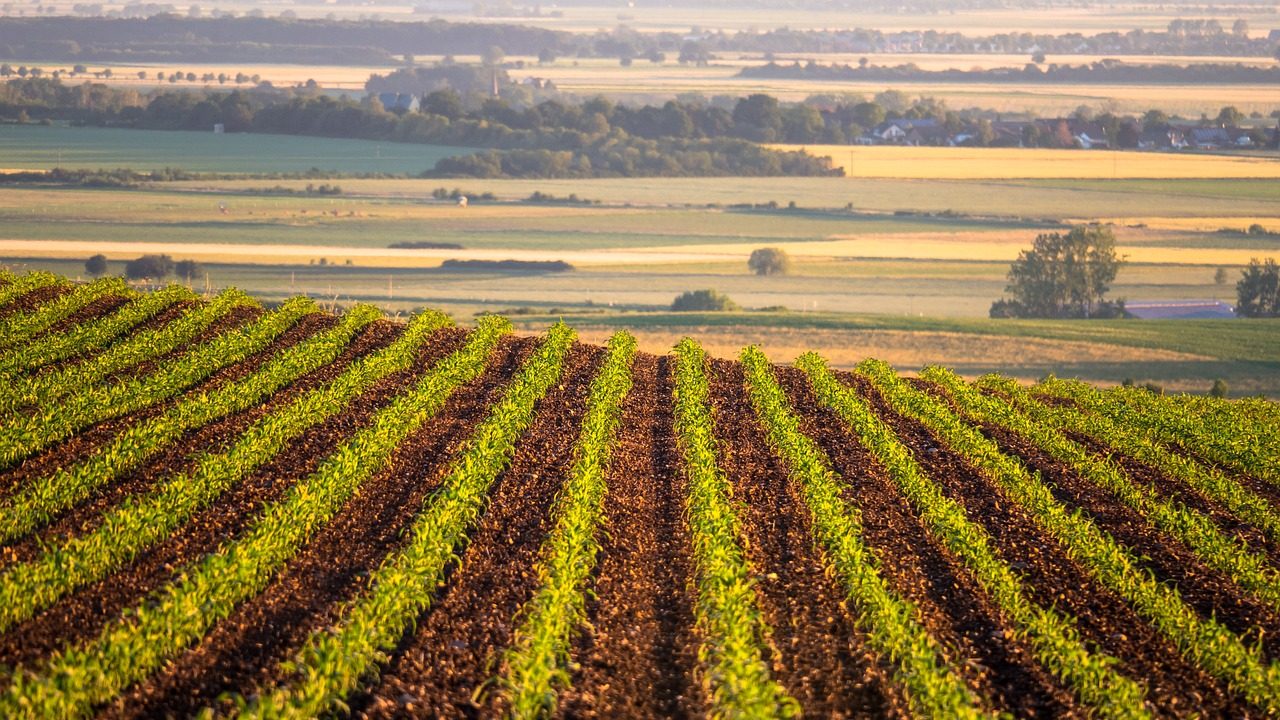
A crucial factor that sets bourbon apart is the combination of grains used in the distillation process. This combination is known as the mash bill. While whiskey can be made from a variety of grains, bourbon’s identity is rooted in its use of corn—a minimum requirement of 51%. This lends bourbon its distinctive sweetness, setting it apart from the broader whiskey category.
For more on how Bourbon is made: What Makes Bourbon, Bourbon?
The Aging Process: Barrels and Flavor Profiles
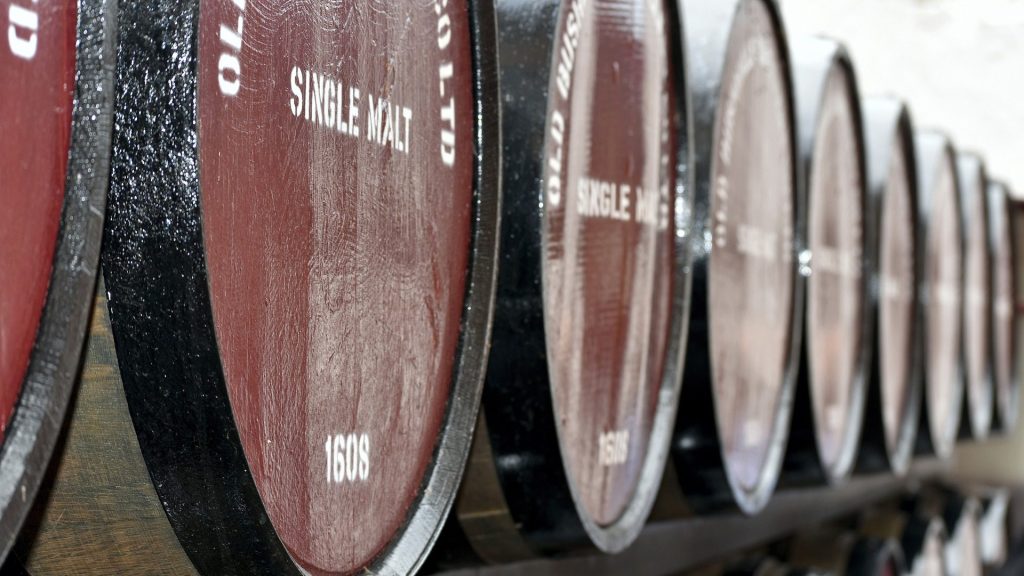
The aging process emerges as a pivotal factor shaping their character. All whiskeys undergo some type of aging process, but what sets Bourbon apart from the pack is the required aging in new charred oak barrels. The use of these barrels often leads to a sweeter taste.
For more on how Bourbon is made: What Makes Bourbon, Bourbon?
Geography and Regulation: Bourbon’s American Heritage
Where is whiskey made? All over the world. Where is Bourbon made? Strictly within the United States. Yup, to earn the respected title of bourbon, the spirit must be produced in the good ole USA. Every sip offers a taste of American history. Whiskey, in general, with its global variations and fewer regulations, embraces a broader spectrum of production methods and flavors—for example, Irish Whiskey, Canadian Whiskey, Japanese Whiskey, and the list goes on and on.
For more on the history of Bourbon: The History of Bourbon: America’s Spirit and Its Amazing Journey
Tasting Notes: Bourbon’s Sweetness vs. Whiskey’s Complexity
Pour a glass, and the differences are palpable. Bourbon offers its sweet and caramel notes, delivering a smooth and approachable profile. Other whiskeys boast a diverse range of flavors—from smoky and peaty to fruity and spicy—offering a more intricate tasting experience. The choice between bourbon and other whiskeys is always individual preferences and the desired flavor journey.
Mixology and Cocktails: Bourbon vs. Whiskey in the Bar Scene
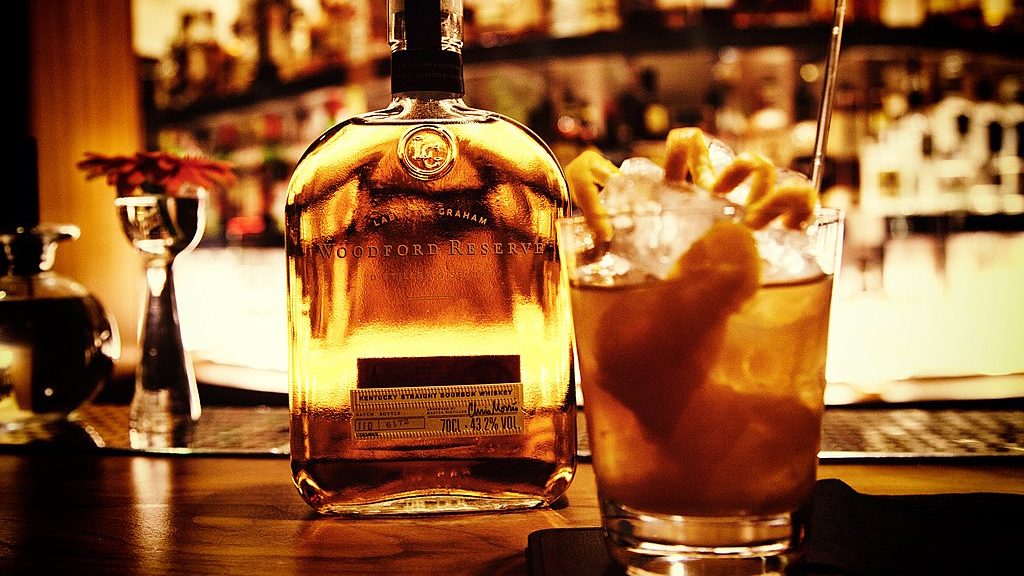
Bourbon is most often used in classics like the Old Fashioned and the Mint Julep. While other whiskeys, with their diverse variety of flavor, open the door for more inventive drinks. These include the smoky allure of a Whiskey Sour to the complexity of a Boulevardier. The list of whiskey cocktails is vast, so we’ll do a separate piece on that soon.
Conclusion
Bourbon and whiskey unveil rich flavors and history. Whether enjoying the sweetness of bourbon or sipping the diverse notes of other whiskeys, each glass narrates a unique tale. From mash bills to aging, these spirits emerge as distinct characters. Cheers to the expedition and the stories in every sip!
 I Like Drinking
Leave a comment